



 polski
  Deutsch
  English

Winter protective clothing (EN 342). How to choose layers and avoid occupational diseases?
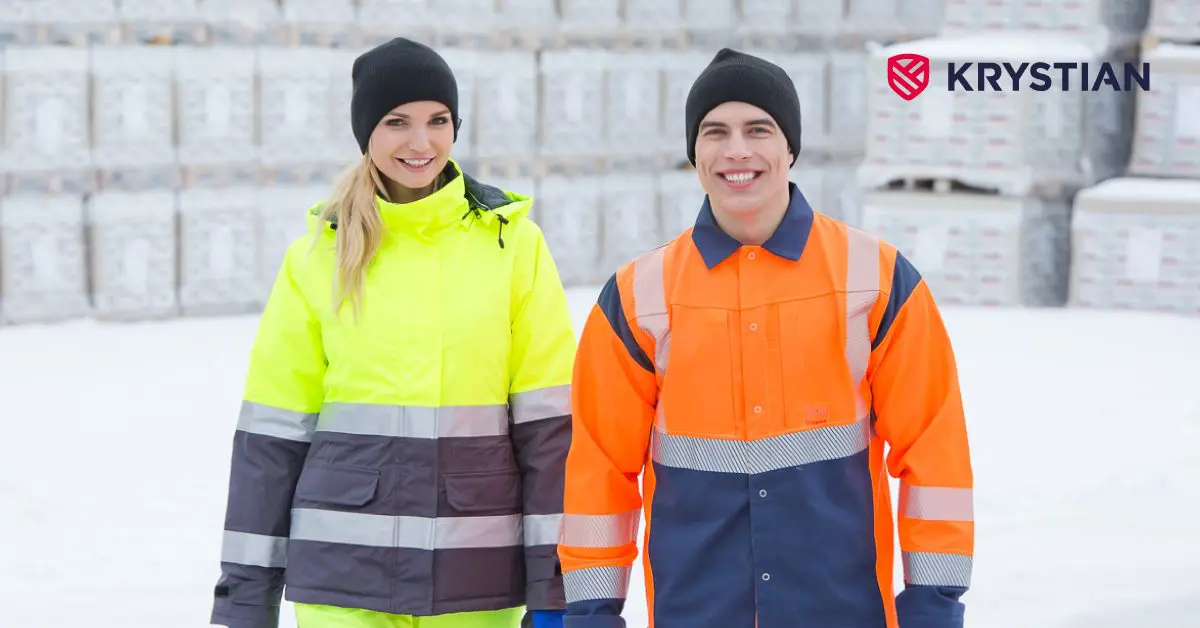
The best winter clothing is clothing that is well suited to your needs, activities, and prevailing weather conditions.
If you work in temperatures below (-5˚C), your clothing must meet the requirements of the PN-EN 342 standard. It should also protect against precipitation and wind, and therefore should have defined air permeability, water resistance (PN-EN 343 standard), and be made of vapor-permeable materials.
What is important when choosing thermal protective clothing?
When selecting thermal protective clothing for the climatic conditions at the workplace, the following factors should be taken into account:
- ambient temperature
- type of work performed
- specific nature of the work (heavy or static work)
- quality of protective clothing (certificates and quality of materials)
Once these factors have been determined, we can decide what clothing we need. Is a jacket enough, or do we also need insulated pants or overalls?
Cheap winter clothing
High-quality winter clothing means savings in many ways. In order for clothing to serve you for a long time and be an investment rather than just an expense, it should meet certain conditions. First of all, pay attention to whether the clothing has the required certificates and what parameters it meets. This will help you avoid frequent (and ultimately costly) replacements, high levels of employee absenteeism due to illness, and the costs of complaints.
How to choose good protective clothing for the fall and winter season
The WarmGuard collection is a range of Category II clothing (certified according to EN 342 and EN 343), designed specifically for comfortable work in sub-zero temperatures, in enclosed spaces such as cold stores or unheated warehouses, and in bad weather conditions.
The parameters of effective and resulting thermal insulation, as well as air permeability, allow for the optimal selection of clothing models for the manner and place of performing professional duties. Comfort and safety at work in winter conditions are guaranteed by the highest quality fabrics with membranes and insulation, which create a product that protects the user from cold, wind, rain, and snow. In addition, WarmGuard products are distinguished by their modern, ergonomic cut and high functionality (thanks to appropriately designed pockets and fasteners). Some models also have antistatic, acid-resistant, electric arc protection, and high visibility properties. The winter sets in the collection are characterized by high resistance to industrial washing while maintaining the fluffiness of the insulation and the protective parameters of the membrane.
How to dress so you don’t feel cold
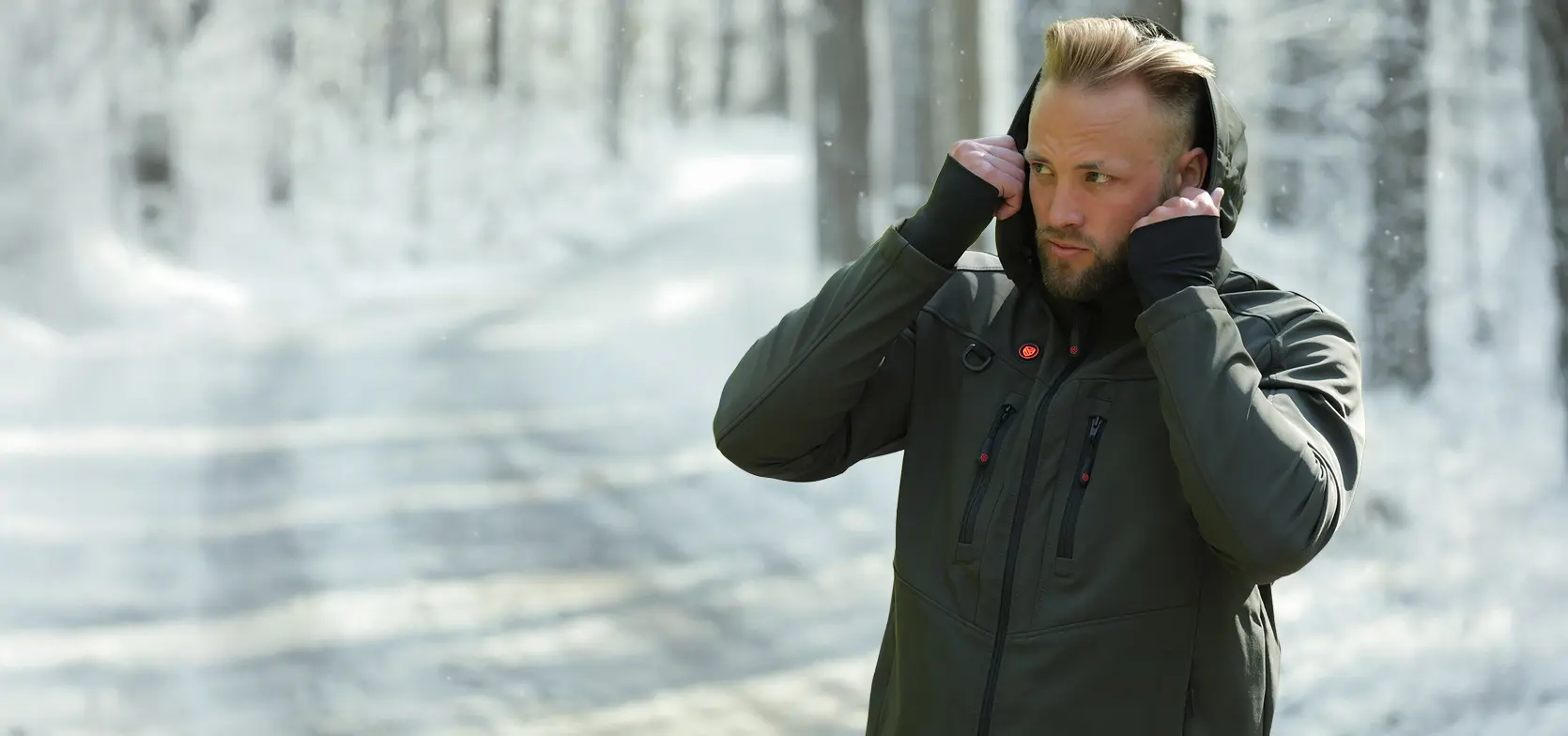
When temperatures are very low, layering is the best option. What does this mean in practice?
Layering is not just about putting on several layers of clothing, but strategically using three independent layers of clothing, each of which performs a different, key function in the thermoregulation system.
- Base layer (skin). Its main task is to wick away moisture
- We recommend thermal underwear (functional) that is not made of cotton. This material acts as a “second skin”: it immediately transports moisture (sweat) from the body’s surface to the next layer, preventing the body from cooling down. This is the key to maintaining a constant temperature, as wet cotton quickly leads to hypothermia in low temperatures.
- Insulation layer (warmth). Its main task is to retain heat
- Fleece sweatshirt, vest, pants, or overalls. This layer traps and retains air heated by the body, creating an insulating cushion. In practice, it is responsible for most of the warmth you feel.
- Outer layer (protection). Its main task is to block wind and moisture
- This is tight armor. A protective jacket or coat must be made of windproof and waterproof materials. Even the best underwear and fleece will not keep you warm if the wind gets inside. Gloves, a hat, and protective boots complete the set, providing comprehensive protection.
Personal protective equipment – an indispensable addition to winter clothing
In order for work clothing to be as functional and protective as possible, it should be supplemented with additional personal protective equipment (PPE). Hats, gloves, and appropriate footwear significantly increase comfort when working in adverse conditions and improve employee safety. It is important that shoes insulate well against the cold and are equipped with a good-quality sole that prevents accidental slipping. Depending on the place and conditions of work, an anti-puncture insert may also be necessary. Another important aspect is the selection of appropriate protective gloves, which should provide a secure, good grip while maintaining thermal comfort.
Premium winter protective clothing
Warm does not mean thick and uncomfortable. New technologies combined with modern materials improve work comfort. Softshell Krystian Tech is intelligent, multi-layered protective clothing that adapts to the needs of the employee instead of restricting them. The most important feature of this softshell is its active heating function, which ensures optimal thermal comfort for the employee. The product is equipped with three integrated heating panels – one strategically placed on the back and two in the front pockets. The user has full control over the temperature: the heating can be controlled manually using a button on the softshell, selecting one of three heating levels, or via a mobile app. The app allows you to independently and precisely set the desired temperature for each panel. In addition, a specially designed lining effectively distributes heat evenly, eliminating local overheating and maximizing thermal comfort.
If you want to find out what clothing your employees need in the fall and winter, contact our experts!
<ol>
<li>Protection against the elements: It should protect against precipitation and wind, as well as cold, rain, and snow.</li>
<li>Technical parameters: It must have defined air permeability and water resistance (in accordance with PN-EN 343). The parameters of effective and resulting thermal insulation are also important.</li>
<li>Materials: It should be made of vapor-permeable materials.</li>
<li>Certificates: Must have the required certificates.</li>
</ol>
<ol>
<li>Base layer (skin): Its main task is to wick moisture away. It is recommended to wear thermal (functional) underwear, which immediately transports sweat from the body surface to the next layer, preventing the body from cooling down. Cotton should be avoided.</li>
<li>Insulation layer (warmth): Its main task is to retain heat. This layer (e.g., fleece jacket, vest, pants) traps and retains air warmed by the body, creating an insulating cushion.</li>
<li>Outer layer (protection): Its main task is to block wind and moisture. It must be made of windproof and waterproof materials (e.g., a protective jacket or coat).</li>
</ol>
It should also be remembered that gloves, a hat, and protective boots complete the set, providing comprehensive protection and increasing thermal comfort.
<ul>
<li>Thermal (functional) underwear that is not made of cotton, as cotton quickly leads to hypothermia in low temperatures.</li>
<li>Vapor-permeable materials.</li>
<li>Top-quality fabrics with membranes and insulation in the outer layer.</li>
<li>Materials that are windproof and waterproof on the outside to prevent wind from getting inside.</li>
</ul>